



How Modern CNC Machining is Revolutionizing Industrial Production Efficiency
Computer Numerical Control (CNC) machining has evolved from a niche manufacturing technology into the backbone of modern industrial production. With advancements in software, hardware, and automation, today’s CNC systems are driving unprecedented levels of efficiency, precision, and scalability across industries—from aerospace and automotive to medical devices and consumer electronics. Here’s how modern CNC machining is revolutionizing industrial production:
1. Unmatched Precision and Repeatability
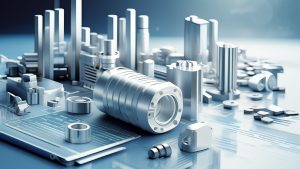
Modern CNC machines operate with micron-level accuracy, ensuring consistent part quality across thousands of units. Unlike manual machining, which relies on human skill and can introduce variability, CNC systems follow programmed instructions with exacting consistency. This reduces defects, minimizes rework, and enhances product reliability—critical for high-stakes industries like medical implants and aerospace components.
2. Increased Speed and Reduced Downtime
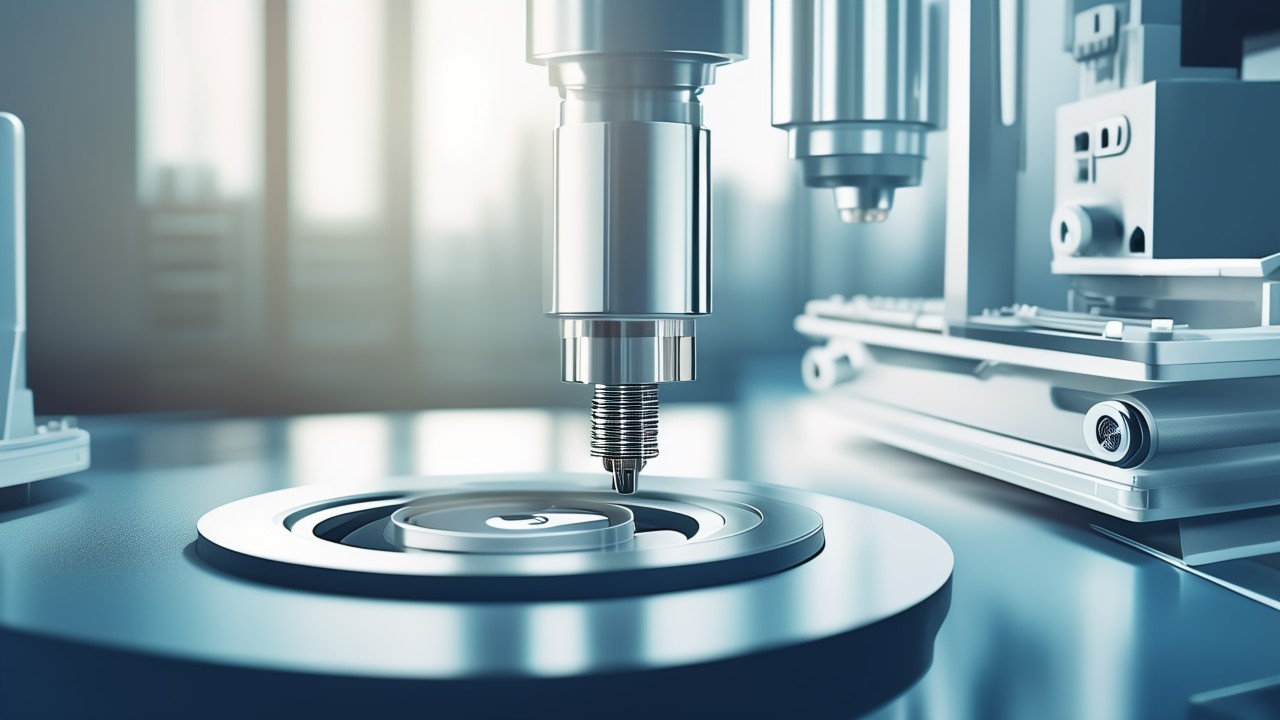
Advanced CNC machines now feature high-speed spindles, automated tool changers, and intelligent feed rate optimization. These enhancements drastically reduce cycle times. For example, multi-axis CNC mills can complete complex parts in a single setup, eliminating the need for multiple machine operations. This not only speeds up production but also reduces handling errors and setup time.
3. Automation and Integration with Smart Manufacturing
Modern CNC systems are seamlessly integrated into Industry 4.0 ecosystems. When connected to IoT platforms, CNC machines can:
- Monitor real-time performance
- Predict maintenance needs using AI-driven analytics
- Automatically adjust parameters for optimal output
- Communicate with other machines and ERP/MES systems
This level of integration enables predictive maintenance, reduces unplanned downtime, and supports fully automated smart factories.
4. Complex Geometry Made Accessible
Multi-axis CNC machines (5-axis and beyond) allow manufacturers to produce highly intricate geometries that were once impossible or prohibitively expensive. Complex parts like turbine blades, mold cavities, and lightweight aerospace structures can now be machined in a single operation, reducing assembly complexity and improving structural integrity.
5. Material Efficiency and Waste Reduction
CNC machining optimizes cutting paths using advanced CAM (Computer-Aided Manufacturing) software. This ensures minimal material waste by maximizing stock utilization and reducing overcutting. In an era where sustainability is paramount, this contributes to lower environmental impact and reduced material costs.
6. Scalability and Flexibility
CNC machining excels in both low-volume prototyping and high-volume production. A single CNC program can be used to manufacture prototypes, test batches, and full production runs—without redesigning tooling or reprogramming from scratch. This agility allows companies to respond quickly to market demands and support rapid innovation cycles.
7. Reduced Labor Costs and Skill Gaps
While skilled operators are still essential, CNC systems reduce dependency on manual labor. Once programmed, machines can run unattended during night shifts or weekends, increasing throughput without proportional increases in staffing. Additionally, intuitive interfaces and simulation tools make it easier to train new technicians, helping address workforce shortages.
8. Support for Rapid Innovation and Customization
With CNC, customization at scale becomes feasible. Manufacturers can easily adapt designs for bespoke products—such as custom prosthetics or architectural components—without significant cost penalties. This supports the rise of mass customization, where customers demand unique products without sacrificing speed or affordability.
Conclusion: The Future is CNC-Powered
Modern CNC machining is no longer just about cutting metal—it’s a cornerstone of intelligent, agile, and sustainable manufacturing. By combining precision, speed, automation, and digital connectivity, CNC technology is transforming industrial production into a smarter, faster, and more responsive system. As artificial intelligence, robotics, and cloud-based design tools continue to evolve, the role of CNC machining will only grow, setting new standards for efficiency and innovation in global manufacturing.
In short: CNC isn’t just improving industrial efficiency—it’s redefining what’s possible in modern production.